AUTISM

1 in 36 children in the U.S. have autism.
Source: Center for Disease Control and Prevention (CDC) - Community Report 2023
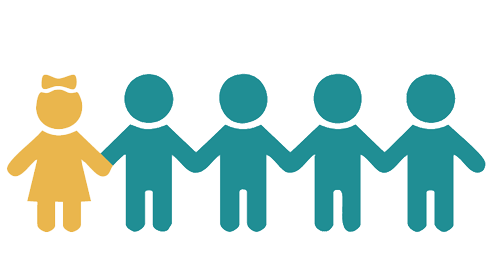
Boys are 4X more likely to be diagnosed with an autism diagnosis
than girls.
Source: Center for Disease Control and Prevention (CDC) - Community Report 2023
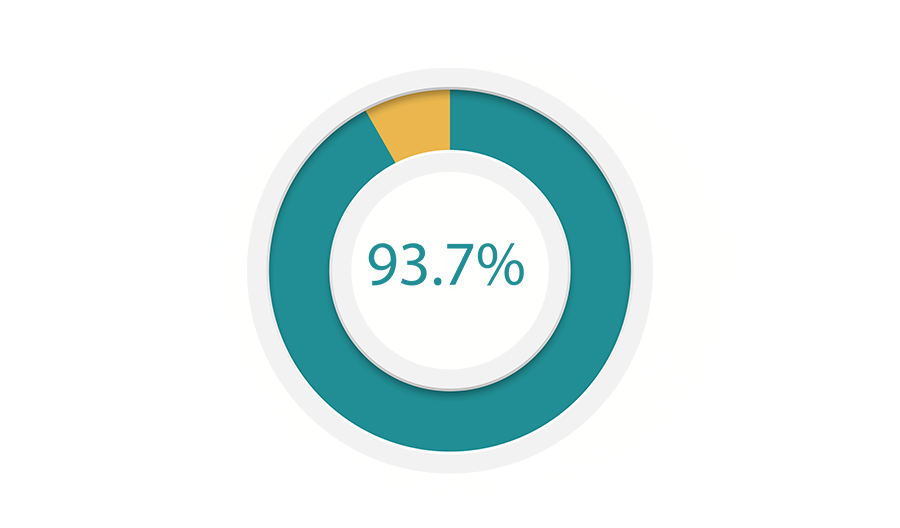
93.7% of parents would recommend ABA therapy to other caregivers.
Source: Autism Parent Magazine Survey - May 2024
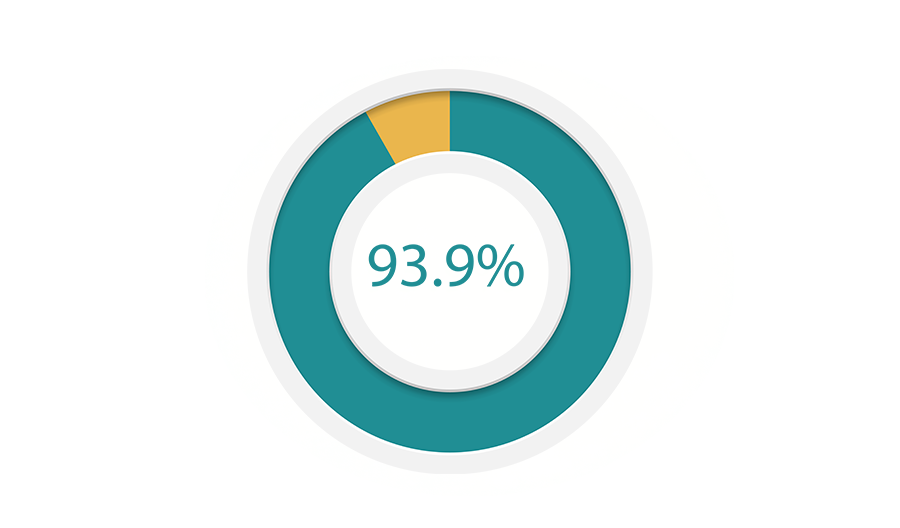
93.9% of parents believe their child benefitted positively from ABA therapy.
Source: Autism Parent Magazin Survey - May 2024
Signs of Autism
Signs of autism in children vary, but some indicators include:
Lack of eye contact
No response to name
Limited or no facial expressions
Fixation on specific interests
Sensory sensitivities (sounds, temperature, light, texture)
Limited or unusual eating habits
Unusual emotional reactions, anxiety, and atypical fear responses
Avoiding or not engaging in interactive games
Lack of gestures or pointing
Difficulty in cooperative and pretend play
Repetitive behaviors (flapping, rocking, spinning)
Repetition of words or phrases (echolalia)
Delayed language, movement, or cognitive skills
Fascination with parts or details of objects (wheels)
Difficulty with changes in routine
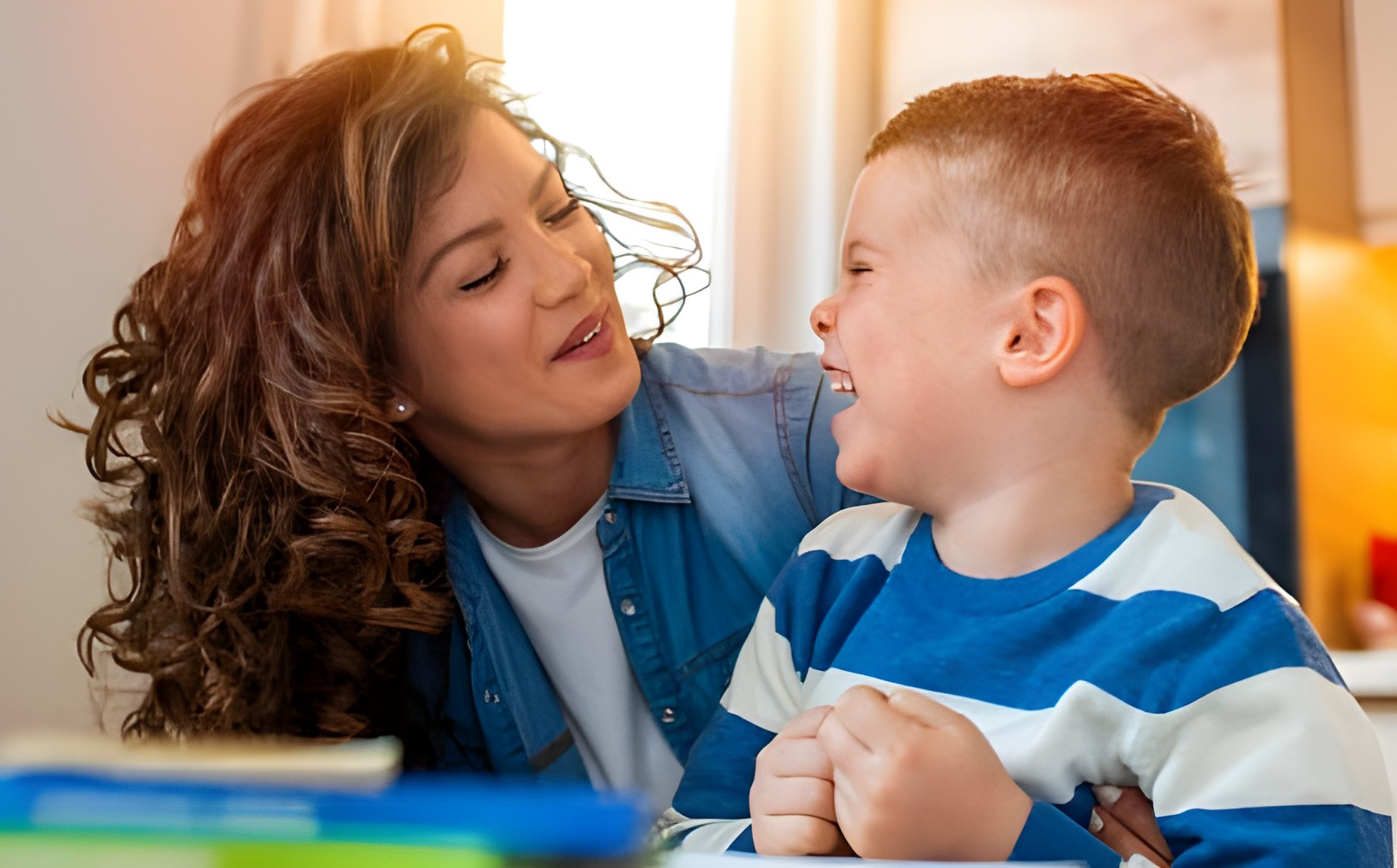
ABA Therapy and Autism
Applied Behavior Analysis (ABA) therapy is the most widely supported treatment for children with autism, backed by substantial scientific evidence and ongoing research.
ABA therapy is a respected, evidence-based method for treating
autism
prescribed by pediatricians and healthcare professionals to assist children in enhancing
their
social, communication, and learning skills through positive reinforcement.
ABA focuses
on
understanding how behaviors are influenced by the environment and uses that
understanding to
bring about positive change. This systematic approach helps to increase behaviors that
are
helpful and decrease behaviors that are harmful or that impact learning.
ABA therapy is
tailored
to each child, ensuring that interventions are
aligned with their unique needs, strengths, interests, and goals.
This approach helps to
engage
each child individually, making learning more enjoyable and impactful.